Find high accuracy ground resistance meter for testing, maintenance, and safety
Source 30 units of high accuracy ground resistance meter from verified manufacturers. Buyers can compare specifications like resistance range, accuracy grade, and testing current to select the right device for electrical safety applications.
Key considerations
Products List


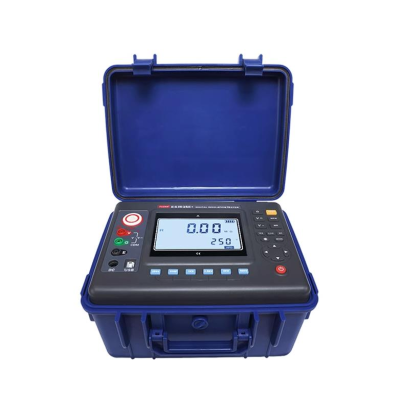


Comprehensive Sourcing Guide
Strategic Sourcing Guide for High Accuracy Ground Resistance Meters
Understanding Technical Specifications and Performance Metrics
When sourcing a high accuracy ground resistance meter, buyers must prioritize the specific technical parameters that define the instrument's capability in real-world scenarios. The core function of these devices is to measure the resistance of grounding systems, a critical safety parameter for electrical infrastructure. Based on available market data, these instruments often feature a testing current range that spans from 5A to 32A, with some models capable of reaching up to 70A. This variability in current output is essential because the accuracy of ground resistance measurements can be influenced by the magnitude of the test current applied.
The resolution of the resistance measurement is another critical specification. High-precision units typically offer a dual-range resolution strategy, such as 0.1 ohms for the 0-200 ohm range and 1 ohm for the 200-600 ohm range. This tiered approach ensures that low-resistance measurements, which are common in high-quality grounding systems, are captured with sufficient granularity. The display technology also plays a significant role in usability; while some units utilize LED digital displays for robustness in harsh environments, others employ LCD screens for better readability in varying light conditions. Buyers should verify that the display type aligns with their operational environment.
Furthermore, the interference characteristics of the meter are vital for obtaining reliable data in electrically noisy environments. Specifications indicate that effective units often have an interference voltage threshold of less than 20V and an interference current limit of less than 2A. These thresholds prevent external electrical noise from skewing the resistance readings. The testing time is another operational factor, with many devices offering a configurable range from 0 to 99 seconds, allowing operators to balance speed with measurement stability. The accuracy grade is frequently cited as a key performance indicator, with some models claiming a 0.5 or similar high-precision grade, though buyers must verify this against the specific model datasheet rather than assuming it applies to all units in the category.
Compliance, Certification, and Standard Verification
Ensuring that a ground resistance meter meets international and regional safety standards is a non-negotiable aspect of the procurement process. The presence of certifications such as CE is a common indicator of compliance with European safety directives, while ISO9001 certification suggests that the manufacturer adheres to a recognized quality management system. Additionally, third-party verification from organizations like SGS may be present on product listings, serving as an independent validation of the device's quality and performance claims.
However, buyers must exercise caution when interpreting these certifications. The presence of a certification mark on a product page does not automatically guarantee that every unit in a batch is certified, nor does it imply that the specific model meets all local regulatory requirements of the buyer's country. It is imperative to request valid, up-to-date certification documents directly from the supplier before finalizing a purchase. The physical dimensions of the device, often listed in millimeters (e.g., 315250155mm or 390205290mm), should also be cross-referenced with the certification to ensure the physical form factor matches the tested prototype.
Standardization extends beyond safety to include operational standards. Some products reference specific testing standards, such as those related to electrical safety testing, which may be listed alongside the model number. Buyers should verify that the device's testing methods align with the standards applicable to their industry, whether for telecommunications, power generation, or industrial facilities. The origin of the product, often listed as Hubei or Wuhan in China, provides context for the manufacturing ecosystem but does not substitute for the need to verify the specific quality controls and testing protocols employed by the factory.
Cost Drivers and Pricing Structure Analysis
The pricing of ground resistance meters is influenced by a complex interplay of factors, including technical specifications, build quality, and customization options. The observed market data reveals a significant price variance, ranging from approximately 1 USD to 7880 USD. This wide spectrum indicates that the category encompasses everything from basic handheld units to sophisticated, computer-controlled systems. The lower end of the price range likely corresponds to simpler devices with manual operation and basic digital displays, while the higher end reflects advanced models featuring electronic loads, computer control interfaces, and higher accuracy grades.
Customization is a primary driver of cost variation. Many suppliers offer customization services, which can include modifications to the casing, display interfaces, or specific testing parameters. Customized units naturally command a premium over standard off-the-shelf models due to the additional engineering and production time required. The packaging also contributes to the overall cost; products shipped in wooden boxes with foam inside suggest a higher value item requiring robust protection during transit, which may be reflected in the final price.
Minimum Order Quantity (MOQ) is another critical financial consideration. The market data shows an MOQ range from 1 to 50 units. For buyers requiring a single unit for a specific project, the unit price may be higher due to the lack of economies of scale. Conversely, bulk purchases can significantly reduce the per-unit cost, making it a viable strategy for organizations outfitting multiple sites. Buyers should also consider the total cost of ownership, which includes not just the purchase price but also potential costs for accessories, calibration, and maintenance. The net weight of the device, often around 14kg for larger units, can impact shipping costs, particularly for international orders, and should be factored into the budget.
Typical Applications and Operational Environments
High accuracy ground resistance meters are indispensable in a variety of industrial and commercial settings where electrical safety is paramount. The primary application is in the testing of grounding systems for electrical substations, power plants, and industrial facilities. In these environments, the ability to measure resistance accurately ensures that fault currents can be safely dissipated into the earth, protecting both personnel and equipment. The testing current range of 5-32A or up to 70A makes these devices suitable for a wide array of grounding configurations, from small commercial buildings to large-scale utility infrastructure.
Another significant application area is in telecommunications and data centers, where reliable grounding is essential to prevent signal interference and equipment damage. The interference rejection capabilities of these meters, such as the ability to withstand interference voltages below 20V, are particularly valuable in these dense electrical environments. The adjustable electrode distance range, which can extend from 1 meter to 100 meters, allows technicians to perform tests in various terrain conditions, ensuring that the grounding system meets the required specifications regardless of the physical layout of the site.
The devices are also used in construction and civil engineering projects to verify the effectiveness of grounding systems before the final handover of a building. The high accuracy and convenience of operation, often highlighted as key features, make these meters ideal for field technicians who need to perform quick yet reliable tests. The ability to set alarm ranges, such as 50-600 ohms, allows for immediate feedback on whether a grounding system is within acceptable limits, streamlining the inspection process. Whether for routine maintenance or initial installation, the versatility of these meters makes them a critical tool for ensuring electrical safety across diverse sectors.
Supplier Evaluation and Quality Assurance Protocols
Evaluating a supplier for ground resistance meters requires a rigorous assessment of their technical capabilities and quality assurance processes. Buyers should look for suppliers who provide detailed technical documentation, including datasheets that clearly outline the testing current, resistance range, and accuracy specifications. The presence of a specific model number, such as HM5002-10A or HZ2672B, indicates a standardized product line, which is preferable to generic or unbranded equipment. Suppliers who offer computer control or electronic load features demonstrate a higher level of technological sophistication, which often correlates with better quality control.
Quality control should be verified through the supplier's adherence to international standards. While ISO9001 is a common certification, buyers should request evidence of specific testing procedures used to validate the accuracy of the meters. The production origin, such as Wuhan or Hubei in China, provides a geographic context, but the specific factory's reputation and history should be investigated. Suppliers with a track record of exporting to multiple regions are generally more reliable, as they are accustomed to meeting diverse regulatory requirements.
The packaging and shipping details also serve as indicators of supplier professionalism. Products packed in wooden boxes with foam inside suggest a commitment to protecting the equipment during transit, which is crucial for delicate electronic instruments. Buyers should also inquire about the delivery time, which can range from 7 days for standard orders to longer periods for customized units. A transparent and reliable supply chain is essential to ensure that the equipment arrives on time and in perfect condition.
Long-Term Procurement and Maintenance Considerations
Procuring ground resistance meters is not a one-time transaction but an ongoing relationship that requires consideration of long-term maintenance and support. The durability of the device is a key factor, with many units designed for rugged use in field conditions. The use of materials that resist corrosion and the inclusion of protective packaging suggest a focus on longevity. However, buyers should also consider the availability of spare parts and calibration services. Regular calibration is necessary to maintain the high accuracy of the meter, and suppliers who offer calibration certificates or support services add significant value to the procurement.
The customization options available at the time of purchase can also impact long-term usability. If a buyer requires specific features, such as a particular display type or testing current range, securing these through a customized order can prevent the need for future upgrades or replacements. The lead time for delivery should be factored into the procurement timeline, especially for projects with strict deadlines. A supplier with a consistent delivery track record, such as a 7-day lead time for standard orders, provides greater certainty for project planning.
Finally, buyers should consider the total cost of ownership, which includes the initial purchase price, shipping, and ongoing maintenance costs. While the initial price may be a significant factor, the long-term reliability and accuracy of the meter are more critical for ensuring safety and compliance. By selecting a supplier with a strong reputation for quality and support, buyers can minimize the risk of equipment failure and ensure that their ground resistance testing remains accurate and reliable over the life of the instrument.
FAQs
What is the testing current range for these meters?
The testing current range spans from 5 to 32 amperes, with some models capable of reaching up to 70 amperes. This variability allows for accurate measurements across different grounding system configurations and sizes.
Which certifications do these devices typically hold?
Many units carry CE certification and adhere to ISO9001 standards with SGS verification. Buyers should request valid documentation directly from suppliers to confirm compliance before finalizing any purchase order.
How is the resistance measurement resolution defined?
High-precision units offer a dual-range resolution strategy, providing 0.1 ohms for the 0 to 200 ohm range and 1 ohm for the 200 to 600 ohm range. This ensures granular capture of low-resistance values common in quality systems.
Can the device operate in electrically noisy environments?
Yes, effective units are designed to withstand interference voltages below 20 volts and interference currents under 2 amperes. These thresholds prevent external electrical noise from skewing the resistance readings during critical safety tests.
What is the typical delivery time for orders?
The standard delivery time is approximately 7 days for most orders. Customized units may require additional time, so buyers should verify specific lead times with the supplier based on their customization requirements.
How does the electrode distance affect measurements?
The electrode distance when measuring resistance must be greater than five times the electrode diameter. The adjustable range extends from 1 meter to 100 meters to accommodate various terrain conditions and site layouts.